Healing Angels: A Craft Fair Embroidery Review
First Impression: Soft, Sacred, and Shelf-Ready
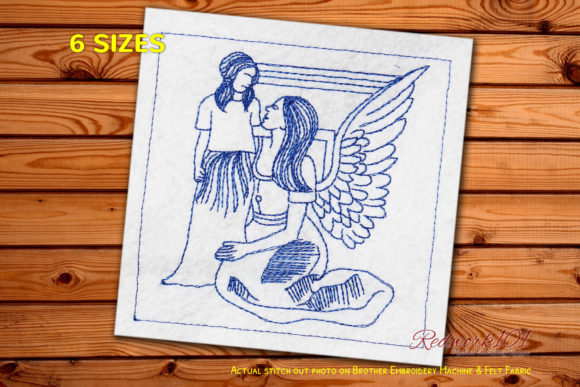
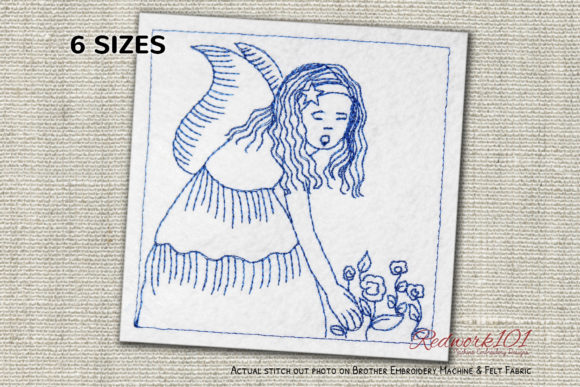
Healing Angels lands with quiet confidence—not loud, not trendy, but deeply resonant. It reads as soft sacred: gentle curves, implied wings, a subtle halo or luminous outline, and that optional Box Stitch framing it like a devotional miniature. This isn’t kitschy angel art or cartoonish cherub embroidery. It feels intentional, reverent, and handmade in the best sense—like something you’d gift to a friend recovering from surgery, placed on a hospice volunteer’s apron, or stitched onto a prayer pillow for a bedside table. For craft fair buyers scanning your booth at 10 a.m. on a rainy Saturday, Healing Angels stands out by *not* shouting. It invites pause. That’s gold.
Where Healing Angels Shines On Real Products
Not every design translates across substrates—and Healing Angels is no exception. Here’s where it earns its keep:
- Tote bags & market bags: Perfect center-chest placement (8–10" wide) lets the full composition breathe. The optional Box Stitch adds structure without overwhelming; skip it on smaller totes or use it as a bold border on jute or canvas.
- Aprons & tea towels: Ideal upper-left chest or corner placement. On linen tea towels, Healing Angels reads as heirloom-quality—especially when stitched in matte cotton thread against natural fiber texture. Avoid dense terry cloth unless using heavy stabilizer.
- Embroidered patches: Highly effective at 3–4" scale. The clean lines hold up well when heat-applied or sewn-on. Great for church bazaars, wellness fairs, or nurse appreciation gifts.
- Pillow covers & small pouches: A standout on 12x12" linen or cotton-linen blends. The design’s vertical balance makes it ideal for centered front panels—no awkward cropping needed.
- Caps & curved surfaces: Use caution. Skip the Box Stitch here. Stick to the core angel motif at ≤2.5" tall, and always test on scrap fabric first—curves distort fine details fast.
What Holds Back Its Versatility (And How to Fix It)
Healing Angels leans into delicacy—and that’s both its strength and its limitation. Tiny halos, feathered wing tips, or thin script lettering (if included in your version) will vanish on dark fabrics, textured towels, or at sub-2" sizes. Dense stitch areas—especially around layered wings or inner box outlines—can cause puckering on lightweight knits or stretchy fabrics without proper cutaway stabilizer. And while the Box Stitch adds polish, it also adds bulk and time. For high-volume craft fair prep? Skip it on tea towels and patches. Reserve it for premium pillow covers or framed hoop art.
Photography, Listings, and Online Appeal
This design photographs beautifully—if you get contrast right. Light fabric + medium-toned thread (ecru, dove gray, soft gold) reads serene and clear. Dark fabric demands high-contrast thread (ivory, silver metallic, or deep navy on charcoal). Avoid muddy mid-tone combos. For Etsy sellers and digital embroidery file listings, include at least one printable mockup showing Healing Angels on a linen tote and a cream tea towel—realistic lighting, no filters. Buyers scanning thumbnails need to instantly grasp its mood and scale. Bonus: add a lifestyle shot of the embroidered patch pinned to a denim jacket or nursing badge reel. That’s how small shop products gain emotional traction.
Booth Impact & Buyer Engagement
At a crowded handmade market, Healing Angels works best as a “quiet anchor” piece—not your flashiest banner, but the item people linger over. Place one embroidered pillow cover beside a stack of matching tea towels and a single healing-themed card. Add a small handwritten tag: “For moments that need grace.” That pairing builds narrative. Customers don’t just buy an angel—they buy intention, care, and quiet hope. It also supports brand consistency across religious, wellness, and boutique categories without feeling exclusionary. Yes, it lives in Religion—but its tone fits holistic studios, hospital gift shops, and mindful makers equally.
Production Notes Every Embroidery Designer Should Check
Before cutting your first production run, do this:
- Test Healing Angels on scrap fabric matching your final product—especially if using textured towels, caps, or dark denim.
- Check thread contrast under both natural and booth lighting. What looks crisp in daylight may blur under fluorescent fair tent lights.
- Review spacing between elements. Are wing tips too close to the edge? Does the Box Stitch leave enough breathing room for seam allowances?
- Confirm hoop size compatibility. If your machine requires re-hooping mid-design, note where the breaks fall—and whether they align with natural visual pauses (e.g., between wings and body).
- Inspect stitch density. High-density fills in halos or boxes can overwhelm lightweight fabrics. Consider switching to satin stitch outlines or open-fill motifs for faster, flatter results.
- Use the right stabilizer: cutaway for knits and caps, tear-away for stable wovens like linen or cotton duck, and heavy cutaway + topping for terry cloth.
- Create at least one real finished product—not just a hoop sample. A stitched tea towel tells you more than ten digital previews.
- Compare fabric colors side-by-side. That “different color” outer Box? It may pop on ivory linen but disappear on oatmeal canvas. Adjust or omit based on your palette.
- Verify commercial licensing status before selling finished products. Healing Angels is an embroidery file—you need rights to apply it to goods for resale.
Final Thought: A Design That Sells With Substance
Healing Angels isn’t a quick-hit trend. It’s a slow-burn staple—the kind of embroidery file that returns to your cart season after season because it fits real human needs: comfort, reverence, quiet strength. For craft fair sellers, it’s booth-ready elegance. For Etsy sellers, it’s evergreen listing potential. For boutique makers, it’s a signature touch that elevates everyday items into meaningful handmade products. Just remember: its power lies in restraint. Let the design breathe. Choose fabric and thread with care. And always, always test before you commit. When done right, Healing Angels doesn’t just decorate—it connects.